
The Sacred Valley of the Incas is not only famous for its breathtaking landscapes and ancient ruins but also for its vibrant and enduring textile tradition. For thousands of years, the indigenous communities of the Andes have preserved the complex art of weaving, passing down techniques and patterns from generation to generation. Each textile is a masterpiece that tells a story, woven with intricate geometry and dyed with natural colors derived from plants, roots, and insects like the cochineal.
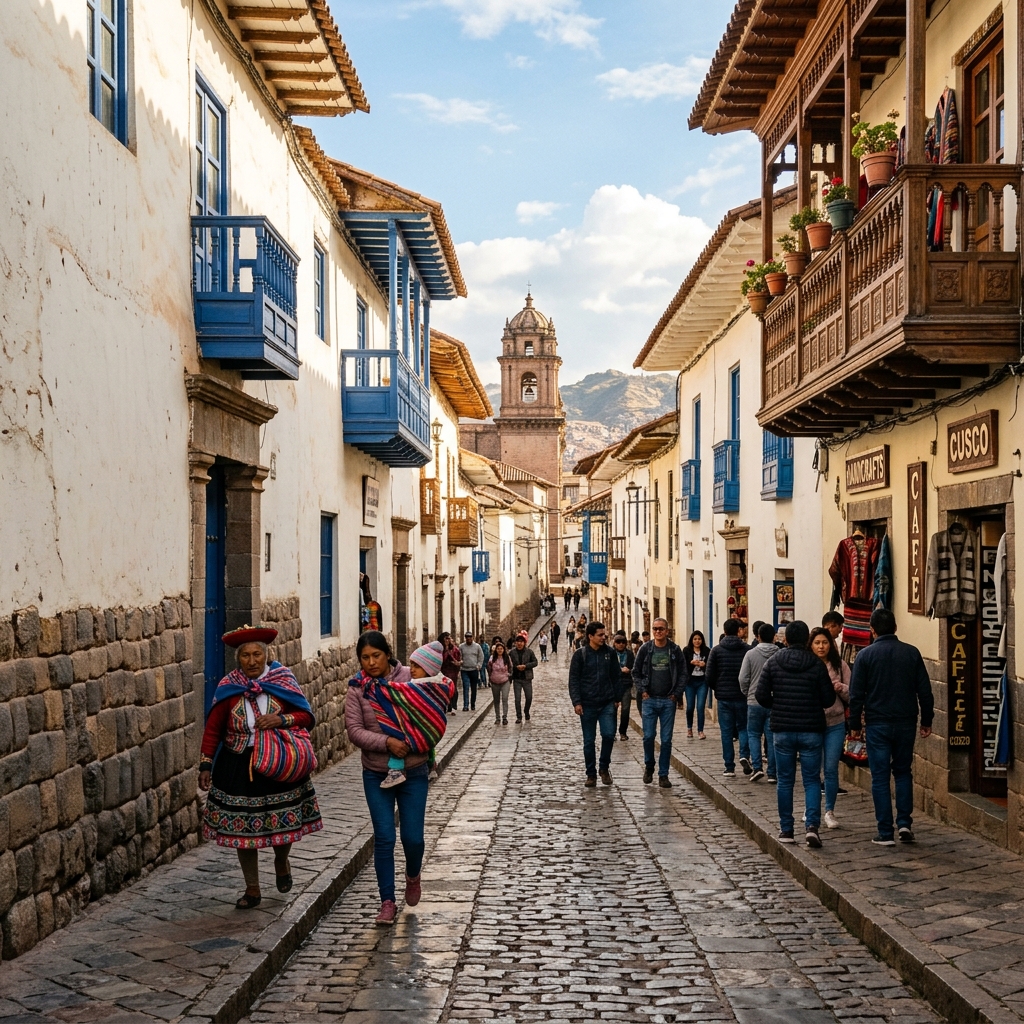
A Deep Connection to Nature
In the high-altitude villages surrounding Cusco, weaving is much more than a craft; it is a vital part of daily life and cultural identity. The process begins with shearing alpacas and sheep, followed by spinning the fleece into fine yarn using a traditional drop spindle.
“To weave is to keep our ancestors alive. Every thread holds the memory of our mountains and the spirit of the Pachamama.”
When you visit the Sacred Valley, taking the time to observe these artisans at work is a profoundly moving experience. Many communities now welcome travelers to participate in workshops, offering a hands-on understanding of this ancient art.
Where to Experience It
- Chinchero: Known worldwide as the weaving capital of the region.
- Awana Kancha: A living museum near Pisac showcasing camelids and traditional weaving.
