In this article
Cusco sits at 3,399 m (11,152 ft), and most visitors fly in from sea level in about an hour. That sudden change is why altitude sickness is so common here: the US Centers for Disease Control and Prevention (CDC) notes that for destinations reached by plane, such as Cusco, close to half of travelers feel some symptoms. This guide explains what to expect, how to plan your days to avoid it and which warning signs need a doctor.
This is general travel information, not medical advice. It follows the CDC Yellow Book 2026, the UK National Health Service (NHS), the Wilderness Medical Society guidelines and Peru’s Ministry of Health. If you have a health condition, talk to your doctor before you travel.
Quick answer
- Start low: if you can, spend your first one or two nights in the Sacred Valley (about 2,850 m) and then move up to Cusco.
- Take it easy for the first day: rest, light walks, no alcohol for the first 48 hours.
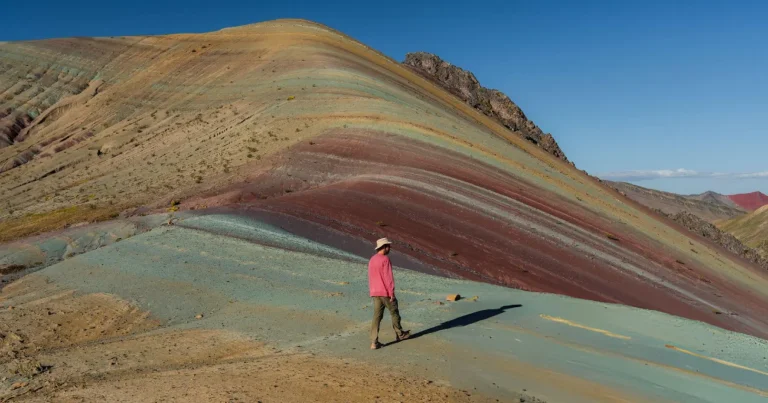
- Climb gradually: leave the highest day trips (Rainbow Mountain, Palccoyo, Humantay) for after two or three days in the area.
- Know the warning signs: confusion, loss of balance or breathlessness at rest mean you need medical help and to go down.
What altitude sickness feels like
Acute mountain sickness (AMS) can start when you sleep above about 2,500 m. The main symptom is a headache, usually with one or more of: nausea, dizziness, tiredness or loss of appetite. It typically appears 2–12 hours after arriving and, if you do not go higher, usually improves within 12–48 hours as your body adapts.
Mild symptoms are common and are not a reason to panic. The rule from the CDC is simple: do not go higher to sleep while you still have symptoms.
Warning signs: when to get help
Two rare but serious forms need urgent attention:
- High-altitude cerebral edema (HACE): confusion, unusual drowsiness, or difficulty walking in a straight line.
- High-altitude pulmonary edema (HAPE): breathlessness even at rest, a cough with frothy sputum, or bluish lips.
With any of these signs, get medical help and go down — even 300 to 1,000 m makes a difference. Peru’s Ministry of Health stresses that for severe symptoms the effective measure is returning to a lower altitude, not medication. Oxygen helps in an emergency while descent is arranged, but it does not replace it.
How to prevent it
- Plan a gradual ascent. Above 3,000 m, the NHS advises not increasing your sleeping altitude by more than 500 m a night and taking a rest day every three or four days. The CDC suggests that travelers to Cusco consider spending the first one or two nights lower, in the Sacred Valley.
- Rest on arrival day. If you fly in, spend at least one day without climbing higher.
- Avoid alcohol for the first 48 hours and keep exercise light.
- Drink normally. Stay hydrated, but forcing yourself to drink large amounts does not prevent altitude sickness and can be harmful.
- Medication: there are preventive medicines, such as acetazolamide, that only a doctor can prescribe. Peru’s Ministry of Health warns against taking them without a prescription.
Does coca tea help?
You will be offered coca tea (mate de coca) everywhere in Cusco. It is part of local culture, but its effect on altitude sickness has not been well studied: the Wilderness Medical Society does not recommend coca products for prevention, and a study of young travelers in Cusco found no fewer cases among those who drank it. Note that one cup can make a urine drug test positive for cocaine metabolites for about 36 hours.
Altitudes in Cusco and on our tours
Use this table to plan your days from lowest to highest:
| Place or tour | Altitude | Compared with Cusco |
|---|---|---|
| Aguas Calientes (Machu Picchu town) | 2,060 m (6,759 ft) | −1,339 m |
| Machu Picchu (citadel) | 2,435 m (7,989 ft) | −964 m |
| Short Inca Trail (Sun Gate) | 2,720 m (8,924 ft) | −679 m |
| Ollantaytambo | 2,846 m (9,337 ft) | −553 m |
| Urubamba (Sacred Valley) | 2,871 m (9,419 ft) | −528 m |
| Choquequirao Trek (highest point) | 3,064 m (10,052 ft) | −335 m |
| Cusco city | 3,399 m (11,152 ft) | — |
| City Tour (Tambomachay) | 3,805 m (12,484 ft) | +406 m |
| Humantay Lake | 4,200 m (13,780 ft) | +801 m |
| Classic Inca Trail (Dead Woman's Pass) | 4,215 m (13,829 ft) | +816 m |
| 7 Lakes of Ausangate | 4,618 m (15,151 ft) | +1,219 m |
| Salkantay Pass | 4,630 m (15,190 ft) | +1,231 m |
| Lares Trek (Condor Pass) | 4,680 m (15,354 ft) | +1,281 m |
| Palccoyo | 4,935 m (16,191 ft) | +1,536 m |
| Rainbow Mountain (Vinicunca) | 5,036 m (16,522 ft) | +1,637 m |
Town altitudes from Peru’s National Statistics Institute (INEI) and the Ministry of Culture; tour altitudes are the highest point of each route.
A sample acclimatization plan
- Day 1: fly to Cusco and go straight down to the Sacred Valley (Urubamba or Ollantaytambo) to sleep.
- Day 2: easy sightseeing in the valley — or travel to Machu Picchu, which is lower than Cusco.
- Day 3: move up to Cusco. Gentle walks or the half-day City Tour.
- Day 4 onwards: higher day trips such as Humantay Lake, and later Rainbow Mountain or Palccoyo. Start multi-day treks after at least two or three days in the area.
Our Machu Picchu & Sacred Valley 2-day tour fits well at the start of a trip, because both places are lower than Cusco.
Who should see a doctor before traveling
- People with heart or lung disease, sleep apnea or sickle cell trait, even if the condition is well controlled.
- Anyone who has had altitude sickness before.
- People with high blood pressure or heart rhythm problems: Peru’s Ministry of Health advises traveling with all your medication and a recent medical check-up.
- Children are as susceptible as adults and may only show it through irritability or persistent crying.
- Pregnancy: talk to your obstetrician before planning a trip to high altitude.
On our tours
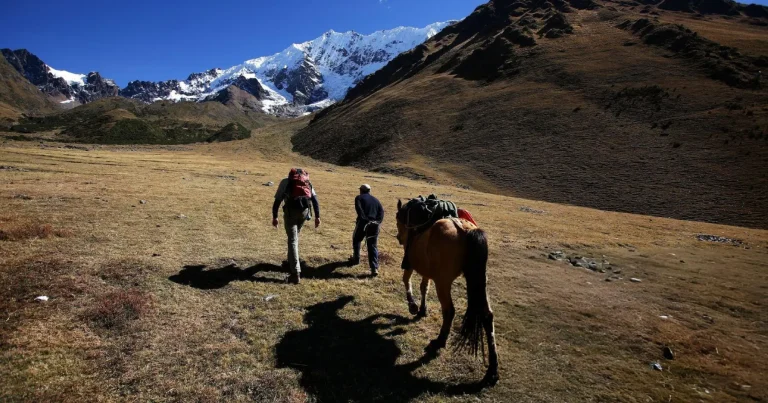
On our high-altitude tours and treks, the guide carries a first-aid kit and emergency oxygen, keeps a steady pace with regular stops and can arrange a descent if needed. Tell us about any health condition when you book, and we will help you order your activities from lowest to highest.
Frequently asked questions
How high is Cusco?
Cusco is at 3,399 m (11,152 ft) according to Peru’s National Statistics Institute. The Sacred Valley is about 500 m lower and Machu Picchu almost 1,000 m lower.
How long does it take to acclimatize to Cusco?
Mild symptoms usually improve within 12–48 hours if you do not go higher. Plan at least two or three days in the area before the highest day trips or multi-day treks.
Should I stay in the Sacred Valley first?
It is a good idea if your itinerary allows it. The CDC suggests sleeping one or two nights lower before staying in Cusco.
Does coca tea prevent altitude sickness?
There is no good evidence that it does, and medical guidelines do not recommend it for prevention. It can also make a drug test positive for about 36 hours.
Can I take medication to prevent altitude sickness?
There are preventive medicines, but only a doctor can decide whether you need them and prescribe them. Do not take them without a prescription.
What should I do if I feel sick in Cusco?
Rest, do not go higher and avoid alcohol. If symptoms get worse, or you notice confusion, loss of balance or breathlessness at rest, get medical help and go down to a lower altitude.
Is Machu Picchu higher than Cusco?
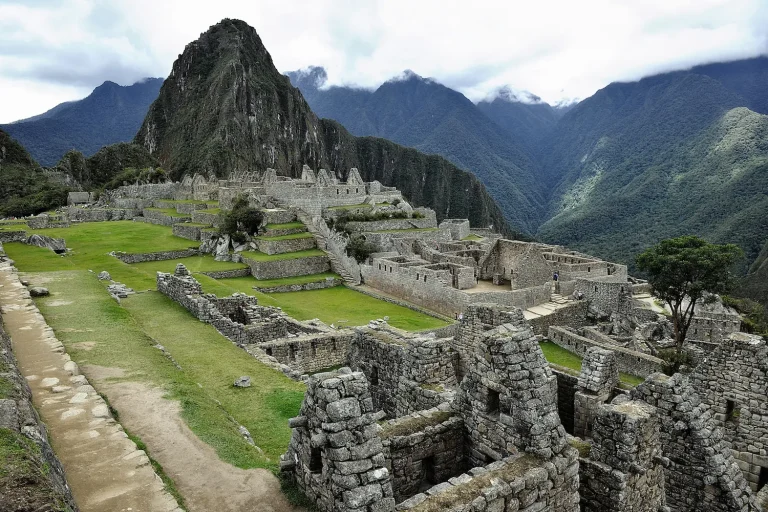
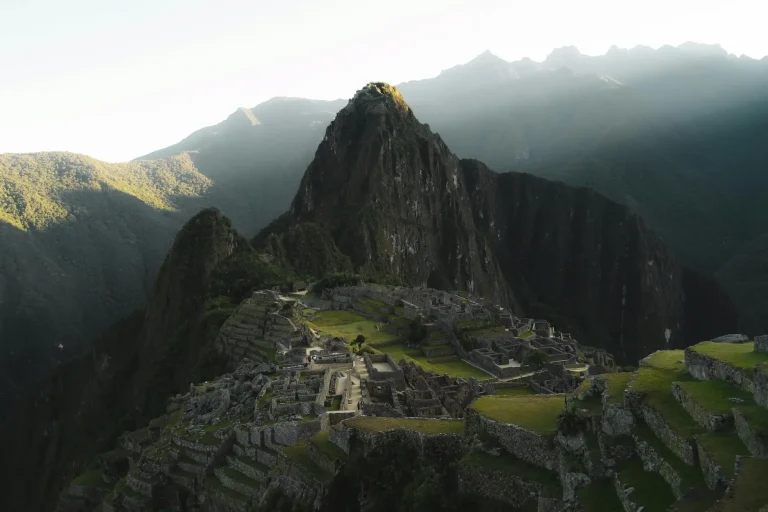
No. Machu Picchu is at about 2,435 m, almost 1,000 m lower than Cusco, so most visitors feel better there.
Which Cusco tours are the highest?
Rainbow Mountain (5,036 m), Palccoyo (4,935 m), the Lares and Salkantay passes (4,680 m and 4,630 m) and the 7 Lakes of Ausangate (4,618 m). Leave them for after you have acclimatized.
Sources
- CDC Yellow Book 2026, «High-Altitude Travel and Altitude Illness».
- NHS, «Altitude sickness».
- Wilderness Medical Society Clinical Practice Guidelines for the Prevention and Treatment of Acute Altitude Illness (2019 and 2024 updates).
- Ministerio de Salud del Perú, recommendations for travelers to high altitude (April 2026).
- INEI, Compendio Estadístico Cusco (altitudes of towns).
- Mazor et al., 2006, coca tea and urine drug testing (Journal of Analytical Toxicology).